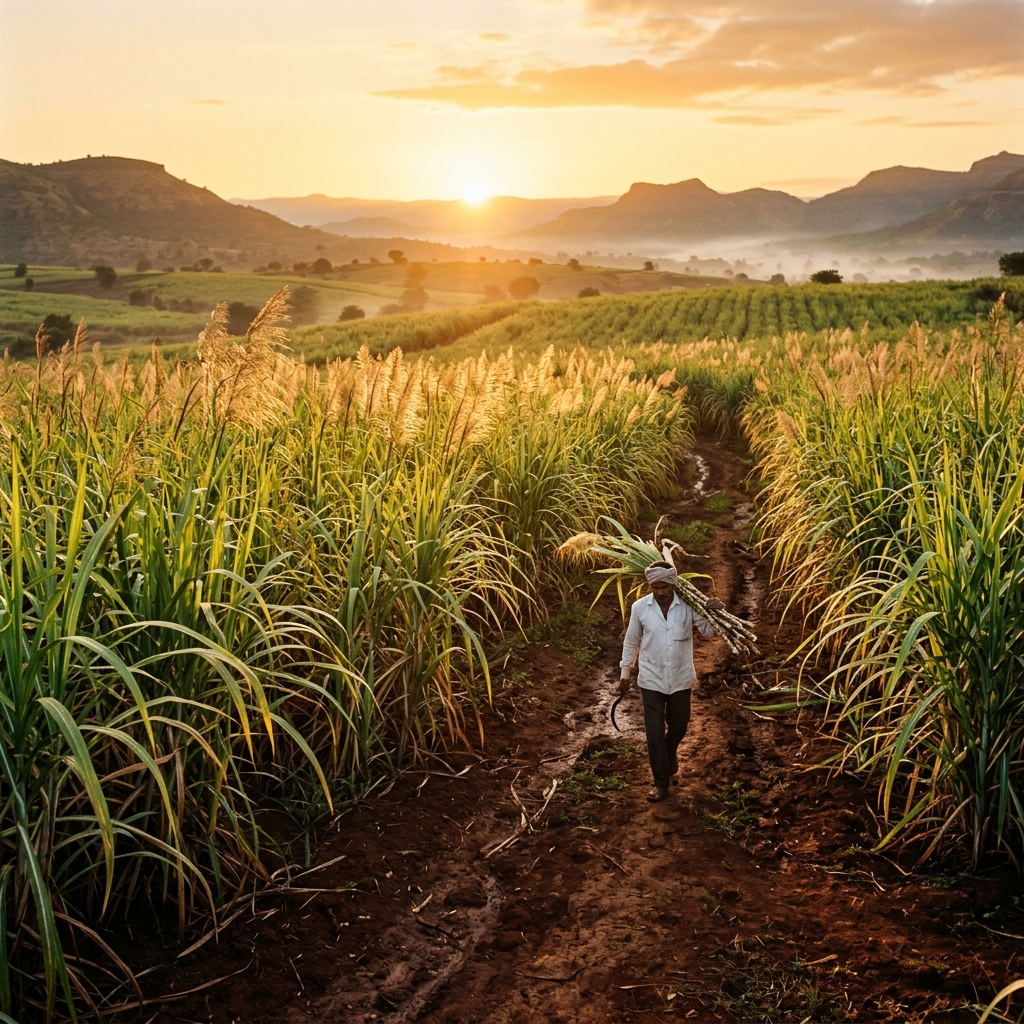
Reviving Kolhapur's Jaggery Heritage
How one village, 132 sugarcane farmers, and a dedicated social enterprise joined forces to fight agricultural decay.
The Genesis: A Dying Art
For centuries, the fertile black soil of Kolhapur, along the banks of the Panchganga river, produced the world's sweetest sugarcane. Processed in local farm units called gurhalghars, Kolhapuri Jaggery was celebrated for its golden colour and mineral richness.
Cheap industrial sugar disrupted this heritage. Mass-manufacturers began bleaching jaggery with sodium hydrosulfite and adulterating it with sugar syrup. Real Kolhapuri Jaggery was driven to extinction, and gurhalghars crashed from thousands to under a hundred.
Farmers with a GI tag were forced to sell premium sugarcane at industrial factory rates, falling into severe debt.
Karbharwadi: The Model Village
The revival began in Karbharwadi, a pioneer community recognized for its village-led development. Its leadership and FPO refused to let their heritage die.
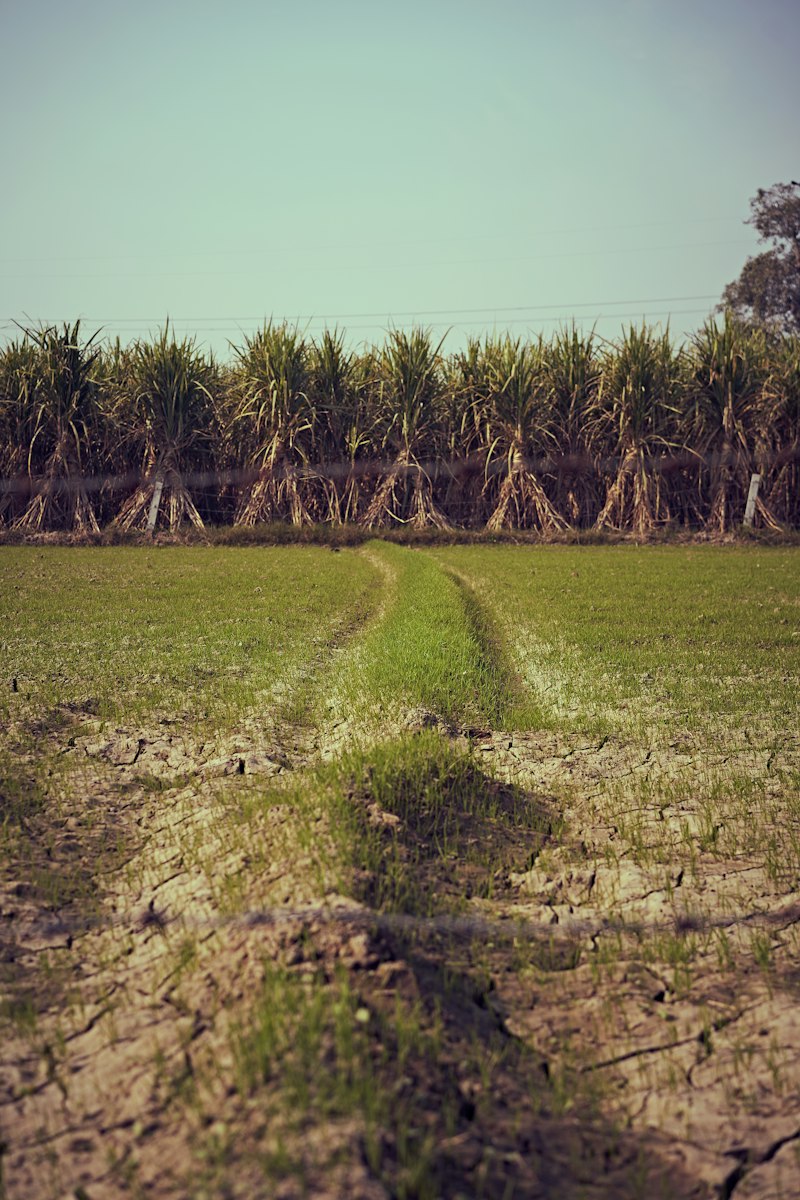
132 sugarcane farmers pooled resources and land to establish a standardized, community-managed drip irrigation system, transitioning to organic, pure cultivation under one unified collective.
The Alliance of Visionaries
Combining scientific agronomy with social enterprise backbone.
Dr. Netaji Patil
Chairman of the FPO
"Jaggery Man of Kolhapur"
A respected academic and agronomist, Dr. Patil designed the agricultural blueprint for Karbharwadi. He established the FPO structure, introduced biological pest control, and engineered the village's automated community water-sharing system, proving sustainable rural farming can outperform industrial agriculture.
Nachiket & Hope Foundation
Founder & CEO, Hope Social Enterprise
Social Entrepreneur
Recognizing the village's unity and product quality, Nachiket launched Krushi Sarthi. Through the Hope Foundation, he established strict processing SOPs, plastic-free packaging, and a direct-to-consumer digital marketplace, ensuring the FPO bypasses APMC middlemen entirely.
Hygienic, Organic Crushing & Boiling
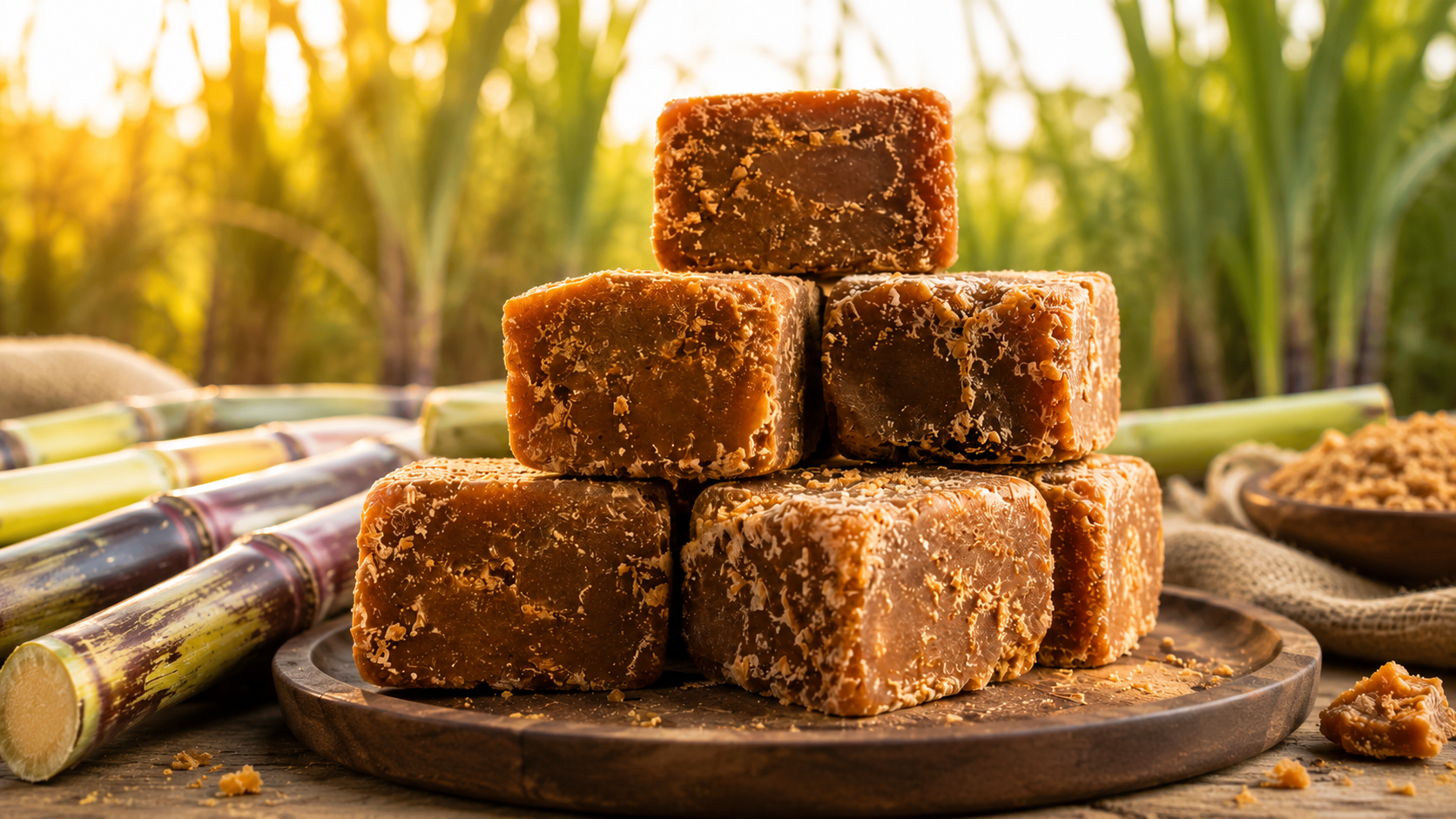
Traditional jaggery was made in open pans exposed to dust and insects. Krushi Sarthi set up a closed hygienic boiling unit where fresh cane juice is clarified using organic extracts of the wild Ladyfinger plant instead of synthetic bleaches. The result is pure, golden-amber jaggery that retains natural vitamins.
Organically Clarified
Purified with wild plant mucilage, with no sulfur or bleaching agents, ever.
Women SHG Run
Managed and packed by trained local women's Self-Help Groups.
Batch Safety Checks
Standardized hygiene monitoring, batch tracking, and food safety compliance.
Hope Social Enterprise Pvt. Ltd. · Registered Office: Subhash Road, Patane Galli, Gadhinglaj, Dist. Kolhapur, Maharashtra - 416502, India